Looking to order biltong for your event?
We cater for bulk orders and biltong & nut platters for a variety of events, including:
- Corporate meetings
- Executive meetings
- Sports days
- Open days
- Bachelor parties
- Church events
- Baby showers


Biltong is a popular snack that originated in South Africa and has since spread around the world. It’s a form of dried and cured meat, similar to jerky but with a different flavour and texture. To understand the appeal of biltong, it’s important to understand its history and evolution of biltong over time.
Biltong has a long and rich history that can be traced back to the indigenous tribes of Southern Africa. These tribes developed various techniques to preserve meat in a hot and arid climate, such as smoking, drying, and salting. The Dutch settlers who arrived in South Africa in the 17th century were quick to adopt these techniques. They soon began adapting them to suit their own needs.
The Dutch settlers used vinegar, salt, and spices to cure and flavour the meat, which was then dried in the sun. They often used beef, but also experimented with game meats such as kudu and springbok. This allowed them to create a portable source of protein that could be taken on long journeys or stored for later use. The evolution of biltong had truly begun.
In the early days of biltong production, the process was a simple one that relied on the hot, dry African sun. Meat was cut into strips and coated with salt to draw out the moisture, before being hung up to dry. However, this process was slow and could take several days, depending on the weather conditions. It was also a somewhat unreliable method, as changes in temperature and humidity could cause the meat to spoil.
As biltong became more popular and production methods became more sophisticated, new techniques were developed to speed up the drying process and make it more consistent. One of the key innovations was the introduction of indoor drying racks, which allowed the meat to be dried in a controlled environment. This not only sped up the drying process but also helped to prevent spoilage.
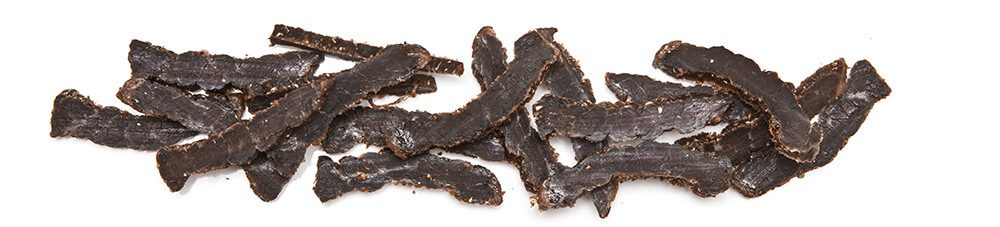
Biltong’s popularity grew rapidly in the 19th century, particularly among hunters and travelers who needed a portable source of protein for long journeys. It was a staple food for those who spent extended periods of time in the wilderness, where fresh meat was not readily available. Biltong was also used as a survival food by soldiers and explorers, who relied on it to sustain themselves during long expeditions.
In the 20th century, biltong production became more industrialized, with the introduction of modern equipment and processing techniques. As demand for biltong grew, producers began to experiment with different types of meat and flavorings, leading to the development of new and exciting varieties of biltong. With the advent of modern refrigeration and packaging techniques, biltong has become more widely available and can be enjoyed in virtually any part of the world.
The popularity of biltong has grown tremendously in recent years, with millions of people around the world enjoying this delicious snack. It is now produced on a large scale and is exported to many countries, where it is seen as a healthier alternative to traditional snack foods such as chips, cookies, and candy. This is due to the fact that biltong is high in protein, low in fat and carbohydrates, and free from artificial preservatives and additives.
Despite its growing popularity around the world, biltong remains an integral part of South African culture and heritage. It is a source of pride for many South Africans, who view it as a symbol of their country’s unique culinary traditions. In South Africa, biltong is often enjoyed as a snack while watching sports games or socializing with friends and family. It is also a common feature at outdoor events such as braais (barbecues) and picnics.

In addition to being a beloved snack food, biltong has also become a source of income for many South African communities. In rural areas, biltong production provides employment opportunities and helps to support local economies. Many small-scale biltong producers use traditional methods of production, which has helped to preserve the art of biltong-making and to maintain a link with South Africa’s past.
Overall, biltong is much more than just a snack food. It is a symbol of South African culture and heritage, a source of nutrition and sustenance, and a means of supporting local communities. Its unique flavor and texture have won over the hearts and taste buds of people around the world, making it a truly global culinary phenomenon.
We cater for bulk orders and biltong & nut platters for a variety of events, including: