Geelvet Biltong
Introduction
At Biltong Warriors, we’re not just another biltong company – we’re a family-owned business with a rich heritage of creating exceptional, mouthwatering biltong. We’ve honed our craft, combining traditional methods with innovative techniques to offer you an unparalleled biltong experience.
We take pride in our passion for crafting the finest biltong, and our commitment to delivering the very best to our loyal customers in the Sandton area.
In this article, we’ll dive into a fascinating exploration of one of our most unique offerings: “geelvet biltong.” Geelvet, which translates to “yellow fat” in Afrikaans, is the secret ingredient that sets this delicacy apart from the rest. We’ll dissect the flavours, textures, and nutritional aspects of geelvet biltong, comparing it to the more conventional traditional biltong.
Our aim here is to provide you with an in-depth understanding of what makes geelvet biltong so special and how it stands out in the world of South African dried meats. So, join us on this culinary journey, as we unravel the mystery of geelvet biltong and explore the delightful difference it brings to your snacking pleasure. Let’s embark on this flavourful adventure together.
Best Biltong in Sandton? Our Customers Think So
What is Geelvet Biltong?
Unraveling the Mystery of Geelvet Biltong
Biltong Warriors takes immense pride in introducing you to the exquisite world of “geelvet biltong.” This unique delicacy, which bears its roots in the heart of South African tradition, is truly something special. In this section, we’ll uncover the secrets of this beef delicacy, beginning with its definition and origins.
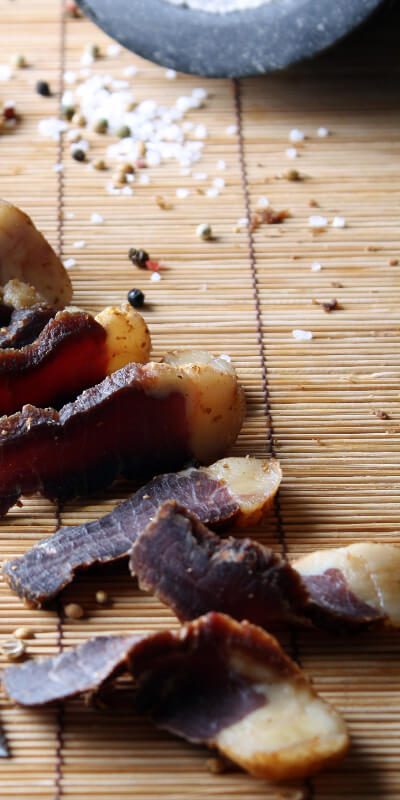
Geelvet biltong, where “geelvet” translates to “yellow fat” in Afrikaans, is a remarkable variety of biltong known for its extraordinary qualities. It’s not just a snack; it’s an experience that harkens back to the age-old tradition of preserving meat in South Africa.
This biltong stands out due to the presence of yellow fat, a unique attribute that sets it apart from the standard. Its origins date back to a time when preserving meat was not only a necessity but also a craft. The yellow fat comes from something that cows eat. Read on below to find out exactly what that is!
I remember the first time I had the pleasure of trying geelvet biltong. It was during a family gathering, and a cousin had brought a batch of this extraordinary treat. The moment I took my first bite, I was captivated by the burst of flavours and textures that unfolded in my mouth. The richness of the yellow fat combined with the tender, marinated meat was an unforgettable experience. It was like a savoury explosion, a memory that remains etched in my mind.
The Secret Ingredient: Yellow Fat
Geelvet biltong’s allure is undoubtedly tied to its secret ingredient – the illustrious yellow fat. This is where the magic truly happens, and in this section, we’ll delve deeper into what makes it so special.
The yellow fat is, in many ways, the heart and soul of this delicacy. Unlike traditional biltong, which typically contains the usual white-coloured fat, the yellow fat is what gives this biltong its name and character. It’s a natural occurrence, a phenomenon that results from a meticulous aging process.
You know, it might sound a bit puzzling at first, but let’s talk about why that yellow fat in your biltong is a good thing. It all comes down to something called beta-carotene. This stuff is naturally found in the grass that cattle munch on, and it’s what gives the fat that distinctive yellow hue. But here’s the cool part: beta-carotene is like a superhero disguise for vitamin A. It’s a natural, healthy source of this essential vitamin, which is good for both the cattle and, yep, you guessed it, us.
Now, you might be thinking, “Wait a minute, grass is green, right?” Well, you’re right! Grass is green, thanks to a little pigment called chlorophyll. But here’s the twist – when you take out that green pigment, what you’re left with is, you guessed it, yellow grass. And here’s another fun fact: if you leave grass in the shade for a while, it starts to go yellow and loses that lush green color.
Now, here’s where things get interesting. Some folks swear by C-grade beef for biltong. C-grade beef typically comes from older dairy cows, and they’re big fans of munching on grass. The yellow fat you find in C-grade beef is something special. It’s almost see-through, and it’s got a bit more oiliness compared to the fat in grain-fed beef.
So, when you’re enjoying your biltong with that unmistakable yellow fat, just remember – it’s all thanks to the goodness of grass and the magic of beta-carotene. It’s a win-win for you and those grass-fed cows.
The yellow fat imparts a distinct and indulgent flavour, giving it a level of richness and depth that you won’t find in traditional biltong. The marbling of the fat within the meat creates a luxurious texture, making every bite a savoury delight. It’s a symphony of flavours and textures that make geelvet biltong an exceptional culinary experience. This is a truly South African taste.
Yellow Fat Biltong vs Traditional Biltong
Now, let’s take a deep dive into the world of taste and texture, the heart and soul of biltong. I’ll describe the sensory experience and share a personal anecdote that illustrates the difference of taste experience between geelvet and traditional biltong.
Taste Difference
Imagine biting into a slice of geelvet biltong. The first thing you’ll notice is the exquisite richness. The yellow fat, meticulously marinated and aged, gives this biltong a luxurious and mouthwatering flavour. It’s a combination of savoury and slightly sweet, with a unique depth that traditional biltong can’t quite replicate.
Traditional biltong is delicious, don’t get me wrong. I will never turn away normal white fat biltong. That being said, the white fat on traditional biltong can be a little bit bland in my opinion. It can also sometimes be a bit sinewy. Geelvet biltong’s fat is always buttery and creamy, and does not ever feel like chewy sinew. Also, yellow fat is always packed with an amazing taste.
Texture Difference
The texture is equally impressive. The meat is tender and succulent, perfectly complemented by the marbling of yellow fat. This marbling creates a delightful contrast between the melt-in-your-mouth fat and the meat’s natural chewiness. As I mentioned in the previous paragraph, white fat on traditional biltong can be a bit chewy. This can make it hard to break down. additionally, this can make it unpleasant to swallow.
"I recall a braai/bbq where we decided to conduct an informal taste test between geelvet and traditional biltong. We set up a blind taste test to see if our group of friends could distinguish between the two. The moment we handed them a piece of geelvet biltong, their faces lit up with delight. The richness and complexity of flavours were unmistakable, and the texture, described as 'buttery' by some, left everyone thoroughly impressed."
The difference between geelvet biltong and traditional biltong lies in these sensory nuances. While traditional biltong offers a more straightforward, leaner taste and texture, geelvet biltong delivers an unforgettable, indulgent experience. The presence of the yellow fat is a game-changer, adding depth, complexity, and a level of luxury that’s unique to this variety.
Whether you’re a seasoned biltong connoisseur or new to the world of South African dried meats, tasting the difference between geelvet and traditional biltong is an adventure for your taste buds. It’s a journey that introduces you to the richness of tradition and the heights of flavor, all wrapped up in a single, delicious slice of biltong.
In the upcoming sections, we’ll explore the nutritional aspects, health benefits, and potential drawbacks of this “yellow gold” snack. Understanding the whole picture will help you make an informed choice, whether you’re savoring a snack or planning a special gathering. So, let’s keep the flavor adventure going!
Nutritional Information: Geelvet Biltong vs Traditional Biltong
Now, let’s roll up our sleeves and dig into the nutritional details. Understanding the nutritional aspects of geelvet biltong and traditional biltong is crucial for making informed choices. I’ll provide you with an overview of the nutritional facts, highlighting the unique qualities of each type
Geelvet Biltong Nutritional Facts
When it comes to nutritional content, it definitely has its own story to tell:
- Protein: Geelvet biltong is a protein powerhouse. With every bite, you’re getting a hearty dose of muscle-building protein.
- Fat: The yellow fat adds a unique twist to its fat content. It’s important to note that not all fats are equal. The yellow fat, though higher in some varieties, is a significant contributor to the overall taste and texture. It’s an experience in itself.
- Carbs: Like traditional biltong, geelvet biltong is very low in carbohydrates, making it an ideal low-carb snack option.
- Calories: Geelvet biltong provides a satisfying crunch for fewer calories than many processed snacks.
Highlighting the Role of Yellow Fat
The yellow fat in geelvet biltong is a star player in its nutritional profile. It contributes to the richness and complexity of flavours, setting it apart from traditional biltong. While it does increase the fat content, it’s important to remember that not all fats are detrimental to your health. In moderation, these fats can be part of a balanced diet and an experience worth savouring.
Traditional Biltong Nutritional Facts
Now, let’s take a look at traditional biltong:
- Protein: Traditional biltong is rich in protein, making it an excellent choice for those looking to boost their protein intake.
- Fat: Traditional biltong contains less fat, which appeals to those who prefer a leaner option.
- Carbs: Similar to above, traditional biltong is also low in carbs.
- Calories: It’s a satisfying snack with relatively low calorie content.
Comparing the Nutritional Values
| Nutritional Content (per 100g serving) | Yellow Fat Biltong | Traditional Biltong |
|---|---|---|
| Calories | 396 | 400 |
| Protein | 60g | 61g |
| Total Fat | 20g | 12g |
| Saturated Fat | 8g | 4g |
| Cholesterol | 140mg | 120mg |
| Sodium | 1400mg | 1500mg |
| Potassium | 600mg | 650mg |
| Iron | 27% DV | 18% DV |
| Vitamin B12 | 45% DV | 36% DV |
| Zinc | 18% DV | 14% DV |
Please note that these values can vary depending on the specific brand and preparation method of biltong. The values provided here are for general reference and may not represent all available options. It’s always a good idea to check the packaging or consult the manufacturer for precise nutritional information.
Health Benefits
Now, let’s turn our attention to the potential health benefits of indulging in geelvet biltong. Remember, moderation is key, and understanding these benefits can help you appreciate this delightful snack even more.
The Unique Health Selling Points of Geelvet Biltong
- Protein-Packed Powerhouse: Both geelvet and traditional biltong are exceptional sources of protein, making them fantastic options for maintaining and building muscle. The protein content in geelvet biltong ensures that it’s not just a delicious treat but also a nourishing one.
Our Bryanston sales rep, Kim, has personally found that geelvet biltong makes for a great post-workout snack. It provides the protein kick needed for recovery, and the rich taste is a welcome reward after a tough exercise session. She swears by it!
Energy Boost: The combination of protein and the natural fats provides a quick energy boost, making it an ideal pick-me-up during those midday slumps.
Satisfaction and Satiety: The richness of geelvet biltong makes it incredibly satisfying. You’ll find that a small portion goes a long way in curbing your appetite and keeping cravings at bay.
Low Carb: If you’re following a low-carb or keto diet, both geelvet and traditional biltong can be your go-to snacks. Their low carbohydrate content fits well within these dietary preferences.
Potential Negatives
Of course, no snack is without its potential downsides, and it’s essential to maintain transparency. Here, we’ll address some concerns and offer strategies to enjoy geelvet biltong responsibly.
- High Fat Content: The yellow fat in geelvet biltong can make it higher in fat compared to traditional biltong. While some people may be concerned about fat intake, it’s crucial to emphasize that these fats are not necessarily unhealthy. They contribute to the unique taste and texture of geelvet biltong. For those who may be watching their fat intake, enjoying geelvet biltong in moderation is a good strategy.
Strategies: If you’re mindful of your fat consumption, consider smaller portion sizes, or enjoy geelvet biltong as an occasional treat rather than a daily snack.
- Sodium Content: Biltong, including geelvet biltong, can be relatively high in sodium, which may not be suitable for those on a low-sodium diet. If this is a concern, look for lower-sodium options or try to balance your sodium intake from other sources throughout the day.
Strategies: To mitigate the sodium content, you can also opt for varieties of biltong with reduced salt. Additionally, be conscious of your overall sodium intake from other foods in your diet.
4 Ways to Serve Geelvet Biltong
Now that we’ve explored the wonderful world of geelvet biltong, let’s dive into the fun part – savoring it! There’s no shortage of creative and mouthwatering ways to enjoy this South African delicacy. Here, I’ll share some tips and personal stories of my favorite geelvet biltong dishes that are sure to tantalize your taste buds.
1. The Classic Snack Attack
Of course, the simplest and most enjoyable way to savor geelvet biltong is to just grab a piece and indulge. The unique richness and depth of flavour make it a perfect snack on its own. Whether you’re watching the Boks taking on all comers, taking a break at work, or just chilling at home, a handful of geelvet biltong is a traditional treat that hits the spot.
I always keep a stash in my freezer which I can easily and quickly defrost whenever I feel a snack attack coming on. Satisfying, convenient and extra tasty!
2. Biltong and Cheese Platter
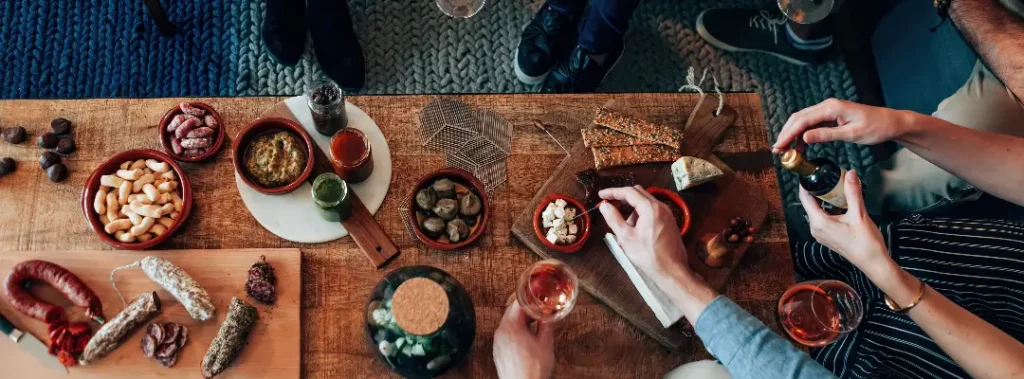
Elevate your charcuterie game by adding geelvet biltong to your cheese platter. The richness of the biltong pairs beautifully with a variety of cheeses, from mild cheddar to creamy brie. Add some fresh grapes, crackers, and a glass of wine, and you have a delightful spread for a cozy evening with friends or a romantic date night. Biltong Warriors creates customized biltong platters for any event.
3. Geelvet Biltong Salad
For a healthier twist, chop up some geelvet biltong into bite-sized pieces and add them to your favorite salad. The salty richness of the biltong creates a unique contrast with the fresh, crisp lettuce and vegetables. You can also make a salad with mixed greens, feta cheese, cherry tomatoes, and a light vinaigrette for a satisfying, nutritious meal.
Pro Tip: I love adding a few cashews to biltong salads to really lift the meal to another level. The textures and flavours are incredible!
4. Biltong Bites in Omelettes
If you’re a fan of hearty breakfasts, consider adding geelvet biltong to your morning omelette. The meaty, coriander notes of the biltong compliment eggs wonderfully. Simply chop the biltong into small pieces and sprinkle them into your beaten eggs before cooking. The result is a breakfast that’s bursting with goodness.
I was introduced to this while on a camping trip. This breakfast really sets you up with energy and a full tummy for an adventurous day!
These are just a few ideas to get you started on your geelvet biltong culinary journey. The versatility of this South African treat knows no bounds, so feel free to get creative and enjoy it in your own unique way. Share your geelvet biltong culinary adventures with us, and who knows, your recipe might just become the next family tradition or party favourite!
Conclusion
As we wrap up our exploration of the fascinating world of geelvet biltong, it’s time to sum up what makes this South African delight so special. We’ve delved into the taste and texture, nutritional aspects, health benefits, and potential drawbacks, providing you with a comprehensive understanding of what sets geelvet biltong apart from the rest.
The Distinctiveness of Geelvet Biltong
Geelvet biltong is more than just a snack; it’s an experience, a journey into the heart of South African tradition. The yellow fat, with its marbled richness, brings a level of flavor and texture that’s truly unique. It’s a delightful marriage of culinary artistry and heritage, and once you’ve tried it, you’ll understand why it holds a special place in the hearts and palates of many.
From the first bite, you’ll be captivated by the depth of flavor, the melt-in-your-mouth yellow fat, and the savory indulgence that makes geelvet biltong stand out from the crowd. The culinary possibilities are endless, from classic snacking to creative dishes that cater to your individual tastes.
Your Geelvet Biltong Journey
Now, the adventure continues, and the best way to truly appreciate geelvet biltong is to savour it for yourself. Whether you’re a biltong enthusiast or a curious first-timer, we encourage you to try it. It’s not just a snack; it’s a cultural experience, a taste of tradition, and a delight to your senses.
So, take the plunge, embark on your geelvet biltong journey, and discover the flavors, stories, and memories that this unique treat brings. It’s a culinary adventure that’s waiting for you, and we’re excited to be part of it. Happy snacking, and enjoy the delightful difference of geelvet biltong!
Want Us To Bring Yellow Fat Biltong To Your Office?
We would love to meet you and bring some tasters for you. Once you’ve tasted our biltong, we know that the doors will be flung wide open!
Switch on the kettle so long!
How it Works
1) One of our reps comes to your reception area with a basket of biltong, nuts and fudge.
2) An email/notification/announcement would go out to staff informing them that these are available in the designated area for the next 10min.
3) Staff would come purchase via cash/card/tap
4) 10 min later, we are out the door until next week.
Getting us there couldn’t be easier. Just fill out the form below (it will take less than a minute) and we will be there in no time at all.